
Sustainable fashion has become one of the most important movements in the global textile industry. In 2026, consumers are more aware than ever of the environmental and social impact of their purchasing decisions. As a result, responsible consumption and ethical fashion are shaping the future of clothing brands worldwide.
What Is sustainable fashion?
Sustainable fashion refers to clothing that is produced with minimal environmental impact and fair working conditions. Many sustainable fashion brands now prioritize eco-friendly materials such as organic cotton, recycled fibers, and low-impact dyes to reduce pollution and waste.
Unlike fast fashion, which focuses on mass production and short-term trends, sustainable fashion promotes quality, durability, and conscious consumption.
Changing Consumer Habits in 2026
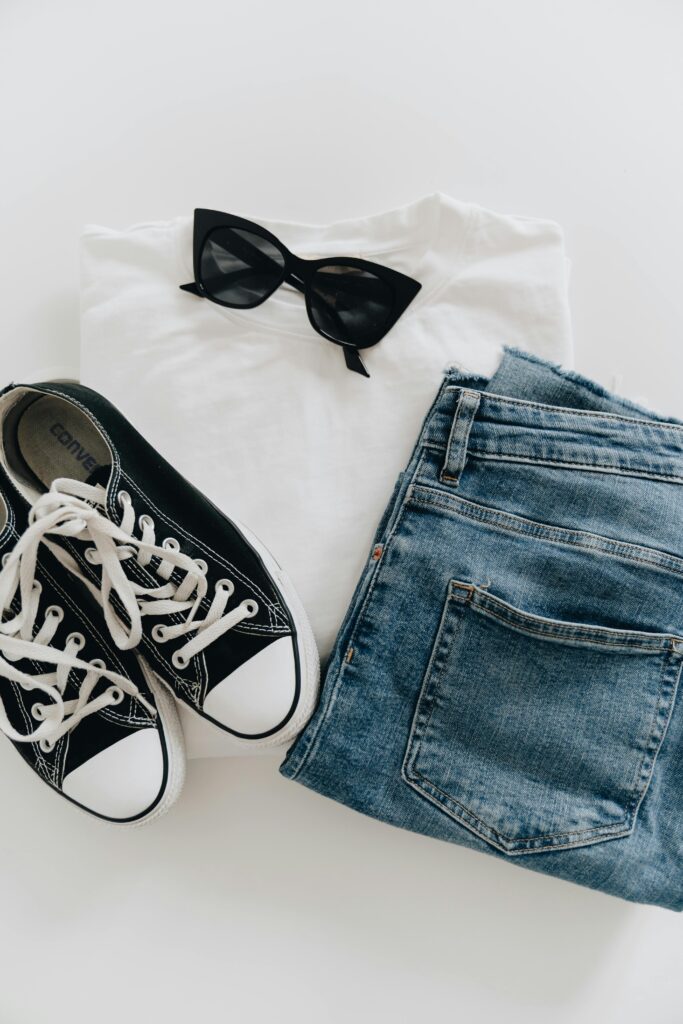
Consumer habits are evolving rapidly. In 2026, more people prefer buying fewer but higher quality garments that last longer. Minimalist wardrobes, timeless basics, and versatile clothing pieces are becoming increasingly popular among environmentally conscious shoppers.
The rise of the slow fashion movement has encouraged consumers to think carefully before making purchases. Instead of impulse buying, shoppers now value transparency, ethical production, and sustainable sourcing.
Another major trend is the growth of second-hand fashion and clothing resale platforms. Vintage stores, online marketplaces, and circular fashion apps have made it easier than ever to extend the lifespan of garments and reduce textile waste.
The Importance of Responsible Consumption
The fashion industry is one of the world’s largest polluters, contributing to water waste, carbon emissions, and excessive landfill accumulation. By choosing sustainable clothing, consumers can help reduce environmental damage while supporting ethical labor practices.
Why Sustainable Fashion Matters
Sustainable fashion is no longer just a trend, it represents a long-term shift toward a more ethical and environmentally responsible industry. Consumers are increasingly demanding transparency, durability, and sustainability from the brands they support.
Choosing eco-friendly fashion is not only beneficial for the planet but also encourages a healthier and more conscious way of consuming. As awareness continues to grow, sustainable fashion will play a key role in creating a better future for the next generations.
